The Parental Archetype Within: How a Parent’s Patterns Continue to Shape Adult Life
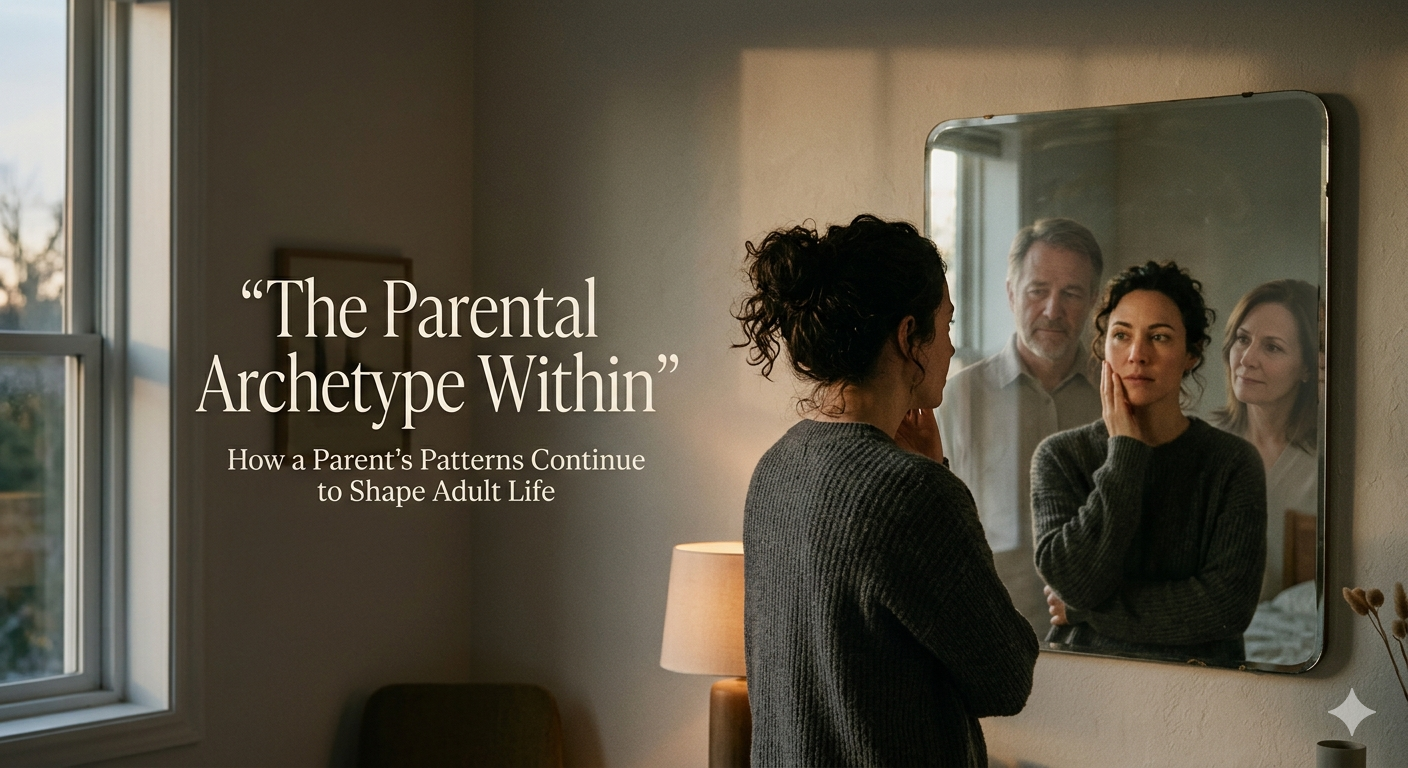
At some point in adulthood, we begin to notice something subtle yet powerful – many of our emotional reactions, fears, and relationship patterns are not entirely our own. They are shaped by something deeper: the parental archetype within.
A parent is not just a memory. Over time, they become an inner presence that continues to influence how we think, love, react, and choose long after childhood ends.
As described in Cutting the Ties That Bind, children often carry an inner image of parents that becomes larger than life. Even when the parent is absent, this internal figure continues to operate within the subconscious.
What Is a Parental Archetype?
A parental archetype is the inner psychological image of mother and father formed through childhood experiences.
It is shaped by:
- emotional safety or lack of it
- conditional or unconditional love
- how conflict and emotions were handled
- patterns of control, silence, or approval
Eventually, these patterns stop feeling external and become part of identity.
A critical parent may turn into an inner critic.
An unavailable parent may lead to emotional distance in relationships.
A approval-driven childhood may create an adult dependent on validation.
The parent no longer controls externally but the archetype continues internally.
Even Positive Parents Create Inner Dependency
Even loving parents must eventually be “released” psychologically for true individuality to form.
After puberty, separation is necessary not as rejection, but as inner independence.
Sometimes positive parenting creates subtle dependency:
- fear of disappointing them
- guilt while choosing differently
- constant need for approval
Love becomes mixed with obligation, making autonomy difficult.
The Negative Parent Archetype
Negative parental influence often becomes deeply embedded in the subconscious.
It may appear symbolically in dreams or imagination as overpowering forces – dragons, witches, or monsters, representing emotional intensity and fear stored within.
These symbols reflect:
- inner criticism
- guilt without reason
- fear of authority
- emotional paralysis
- lack of self-trust
The text describes confronting a “dragon” as a symbolic act of reclaiming inner power from overwhelming parental imprint.
How These Patterns Continue in Adult Life
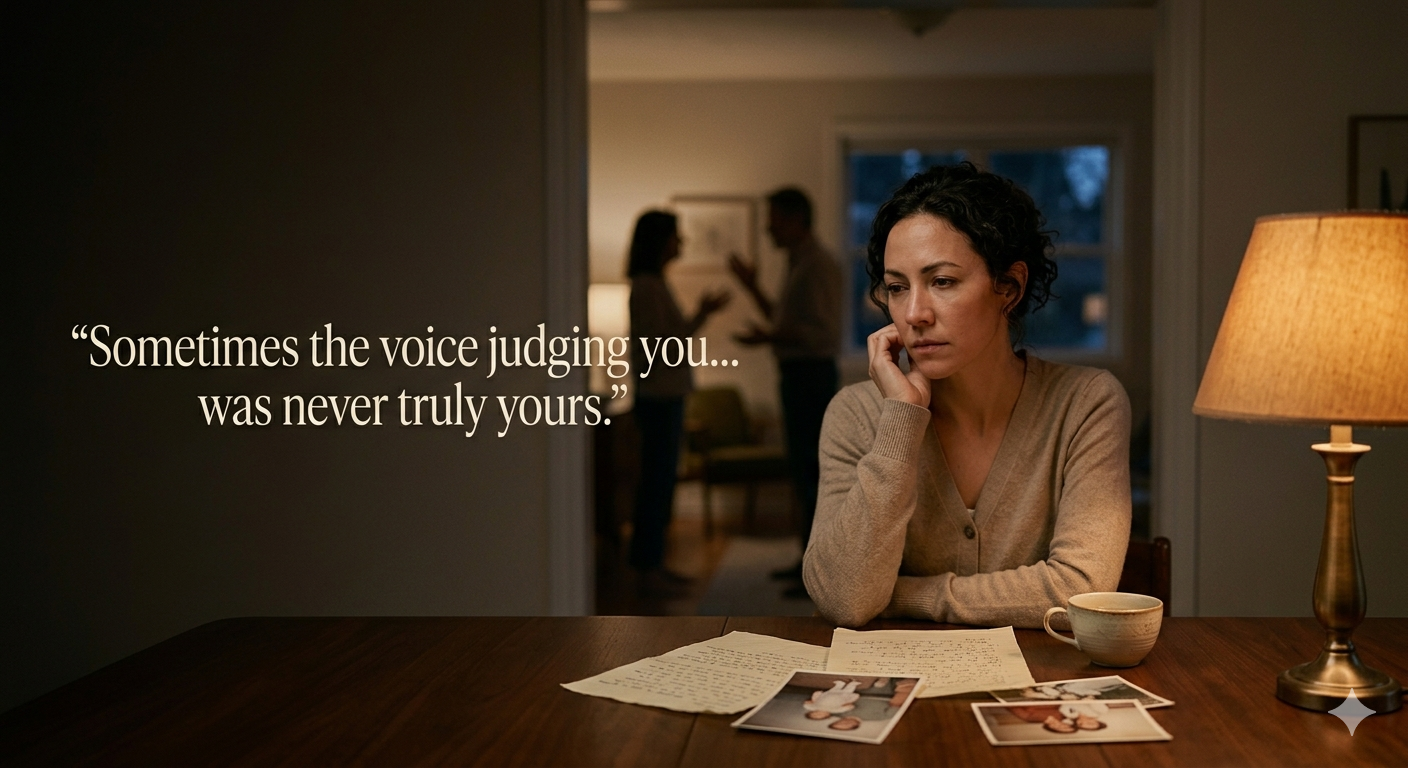
How These Patterns Continue in Adult Life
These archetypes often repeat in adult relationships:
- choosing emotionally familiar partners
- fear of conflict or abandonment
- over-responsibility in relationships
- seeking constant reassurance
- repeating childhood emotional dynamics
Familiarity feels like safety, even when it is limiting.
Signs the Archetype Is Still Active
- difficulty making independent choices
- strong guilt or approval-seeking
- fear of authority figures
- repeated relationship patterns
- a harsh inner critical voice
These are not random – they are echoes of early conditioning.
Healing the Inner Archetype
Healing is not about blaming parents but becoming conscious of inherited patterns.
It begins when we:
- notice the inner voice that is not truly ours
- separate reaction from awareness
- stop repeating survival patterns
- reclaim choice and individuality
This is not rebellion. It is maturation.
From Conditioning to Freedom
True freedom begins when we realise we are not required to live from inherited emotional programming. The goal is not to erase the parent within, but to stop being unconsciously controlled by it.
Awareness dissolves the pattern. And in that space, a more authentic self begins to emerge.
The Ties We Continue Carrying Within
CTTB Foundation Course 1 – Relationship Cut (The Phyllis Krystal Method) explores how invisible emotional ties continue to influence relationships, approval-seeking, dependency, and inner authority. Through guided techniques and deeper self-observation, participants learn to identify and release the ties that quietly control adult life.
📅 6 & 28 June 2026 | 💻 Live Online